What you are looking at
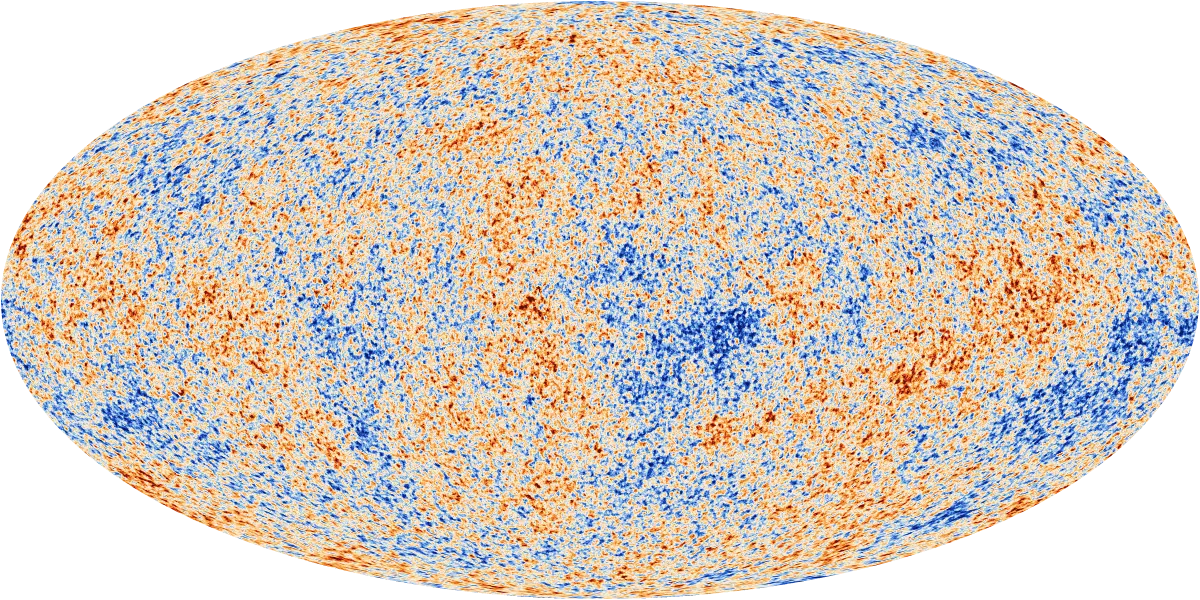
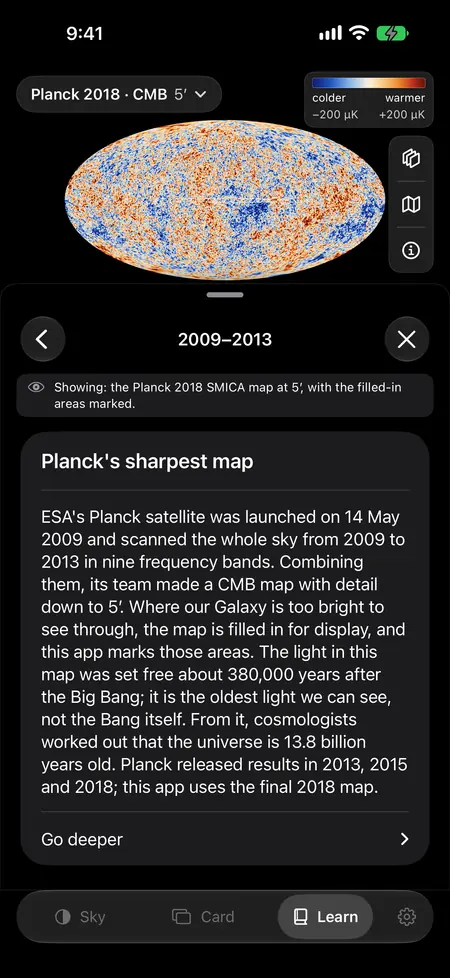
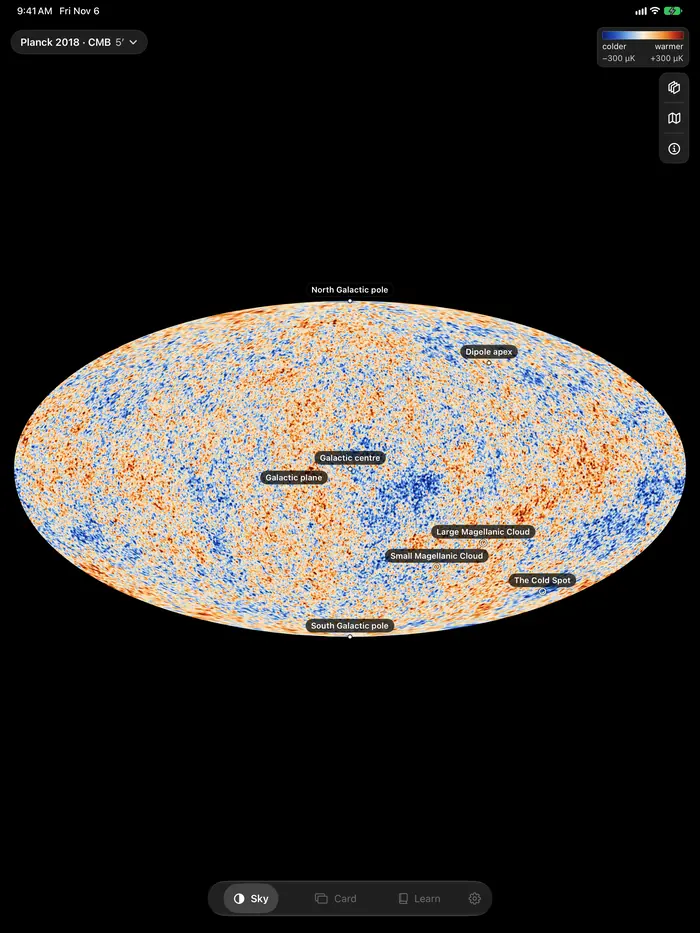
The whole sky glows faintly in microwaves, from every direction. This glow is the cosmic microwave background (CMB). It is the oldest light we can see, but not the Big Bang itself: it was set free about 380,000 years after it, when the universe had cooled to about 3,000 K and its hot gas turned transparent.
Since then the expansion of the universe has stretched its waves about 1,090 times. Today the glow matches a temperature of 2.7255 K, just above absolute zero.
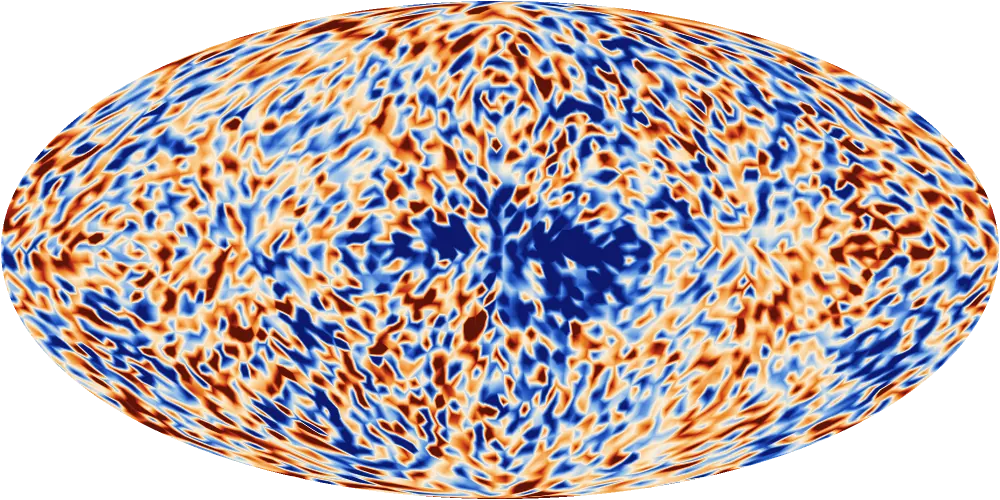
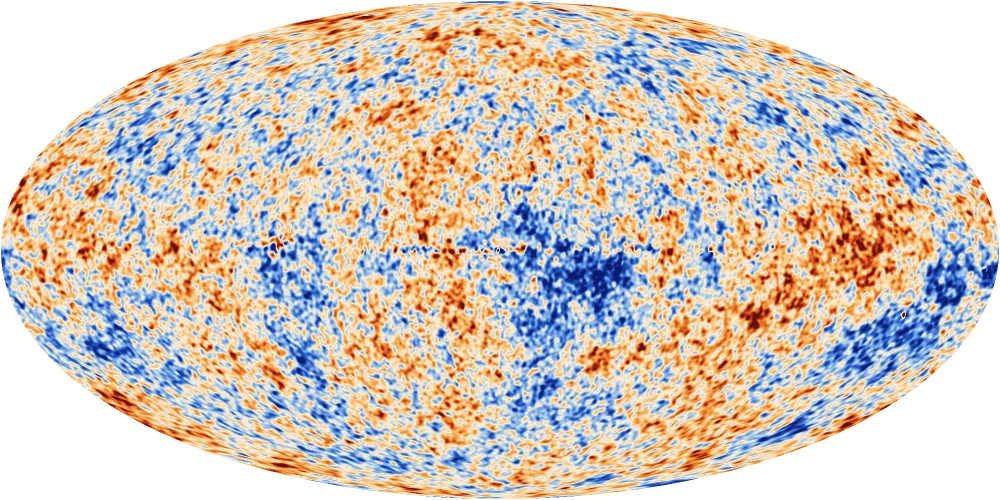
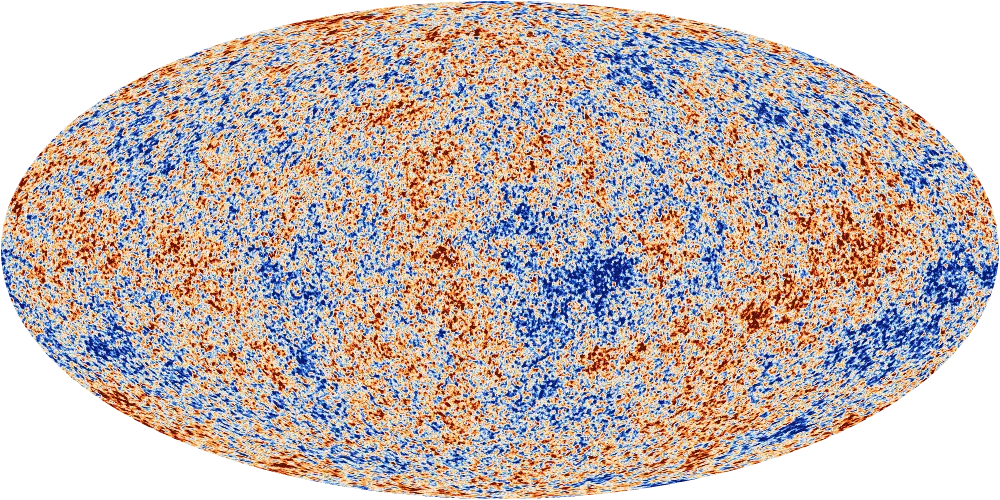
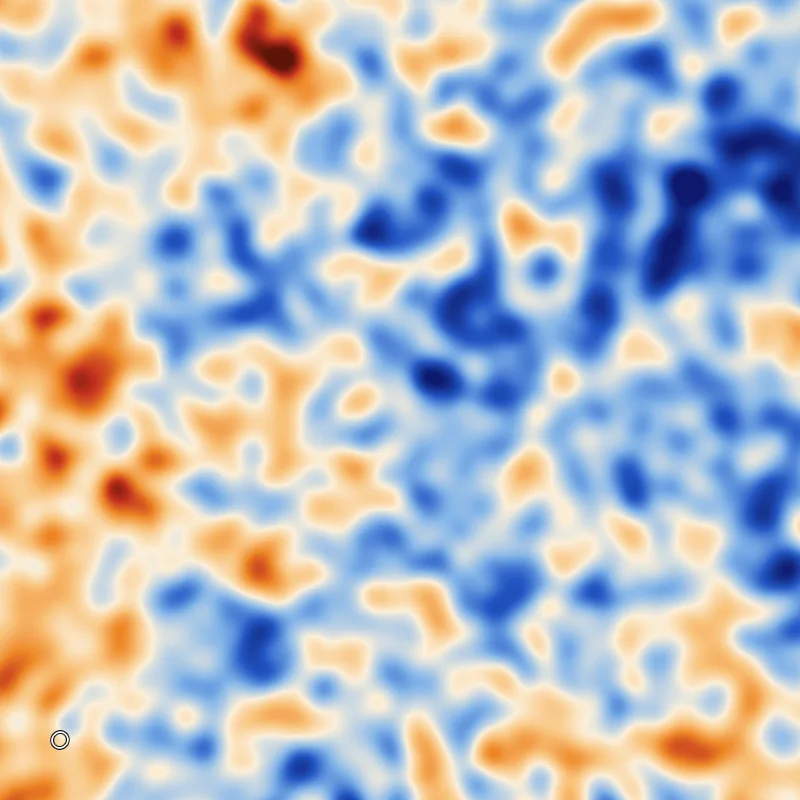
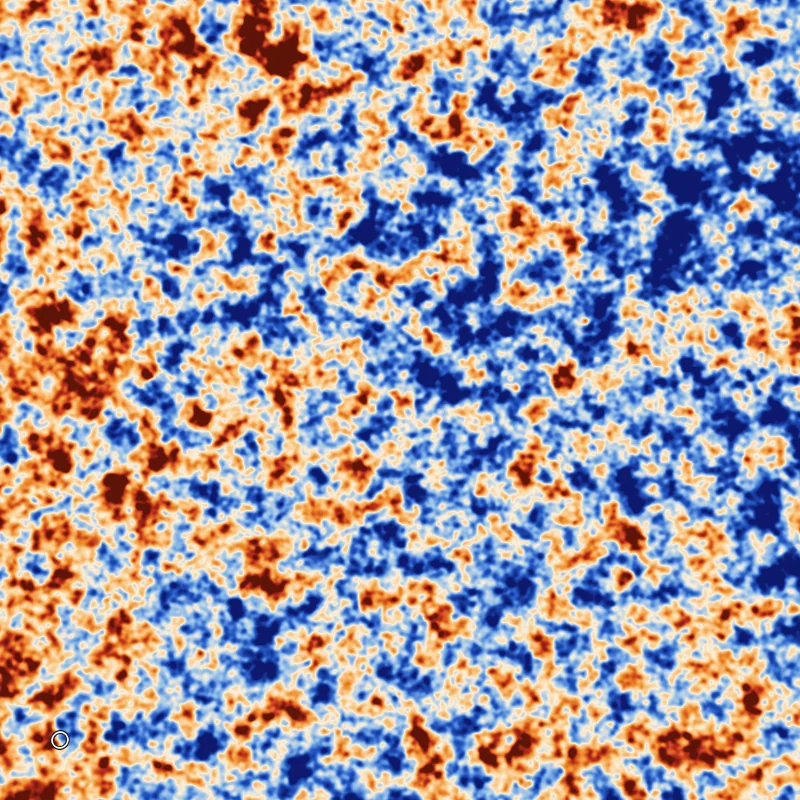
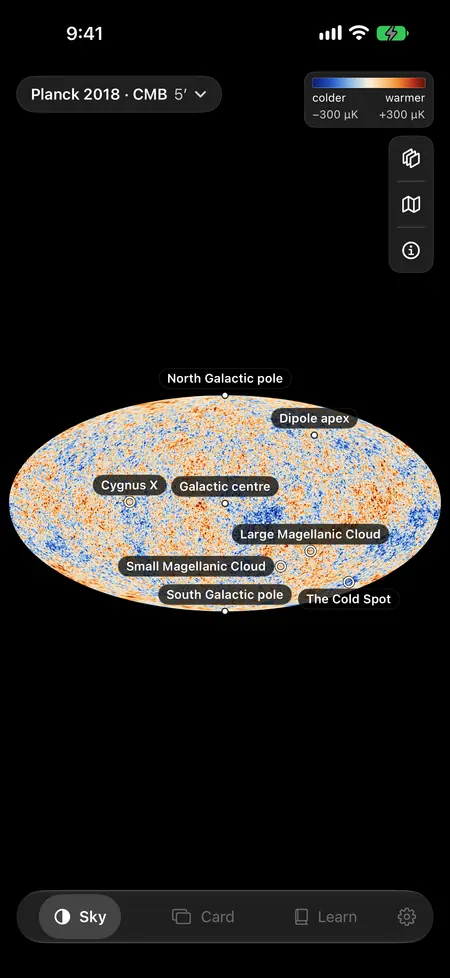
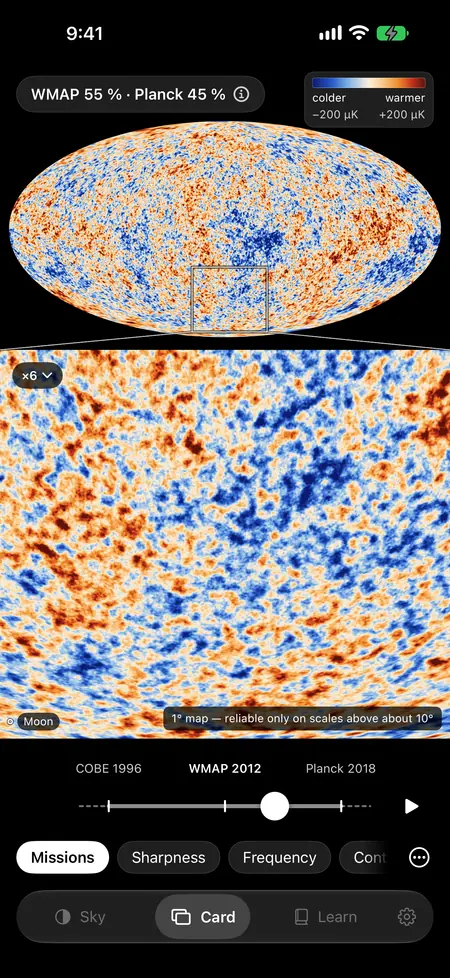
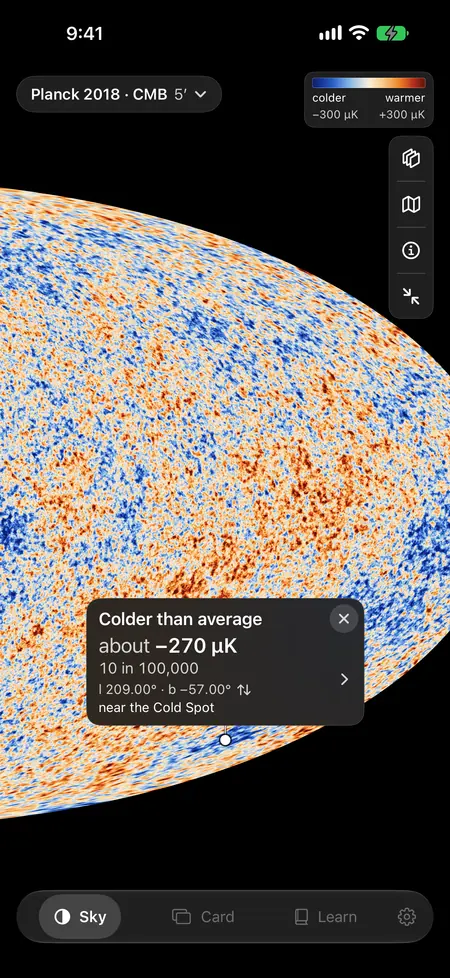
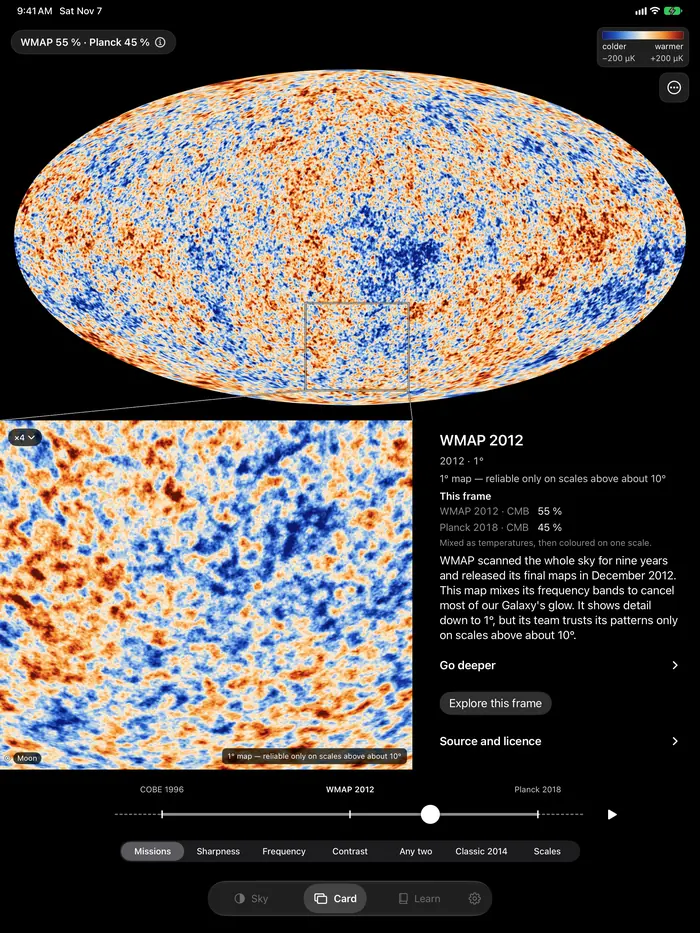
The glow is almost the same everywhere. Its ripples, slightly warmer and colder spots, differ from the average by only a few parts in 100,000. On Planck’s map a typical spot is about 110 µK, millionths of a kelvin, from the average. The spots mark slightly denser or thinner gas, the seeds of later galaxies. On large scales, denser gas looks colder.
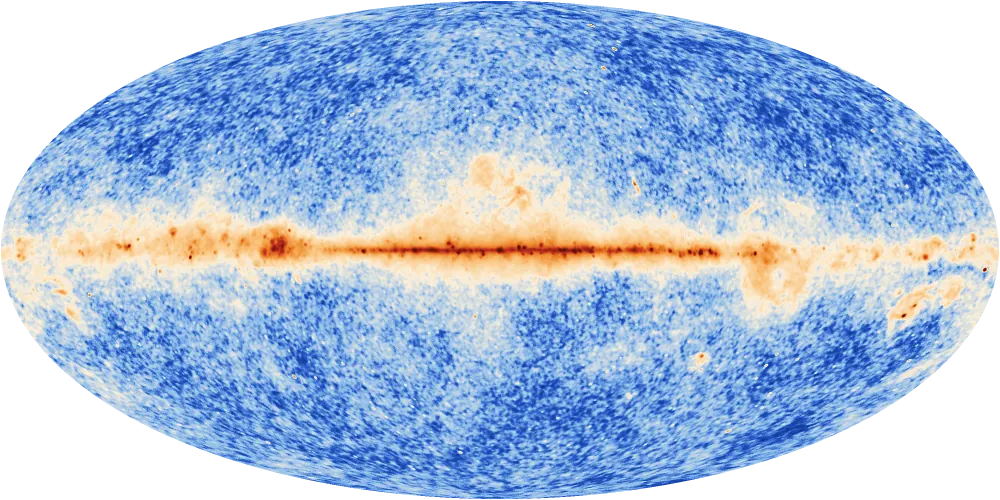
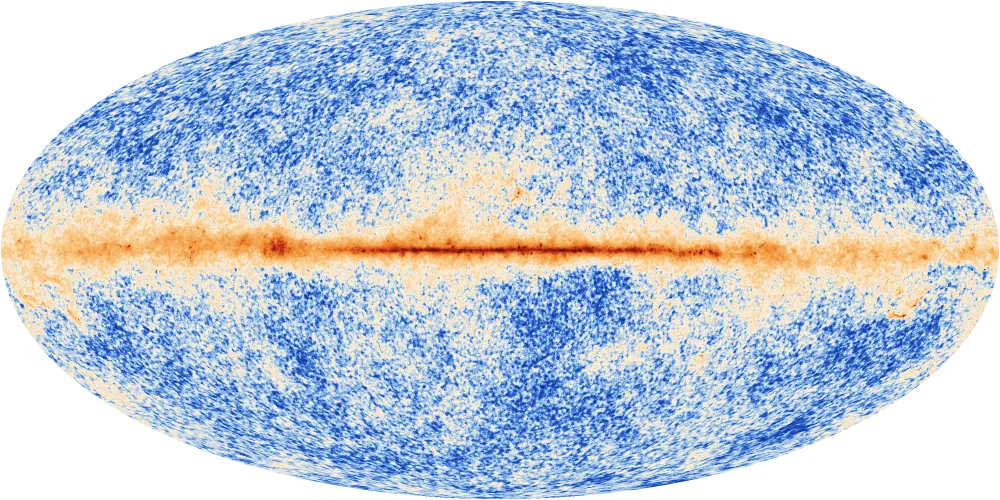
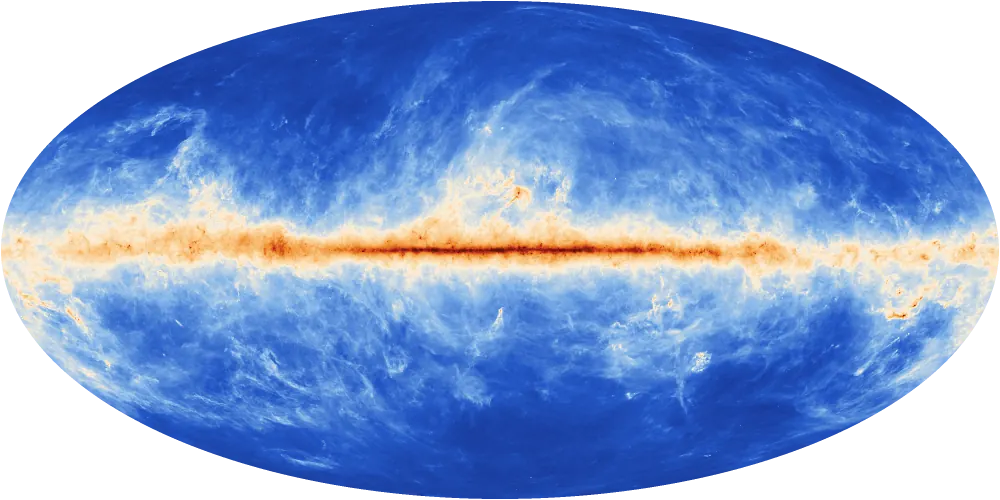
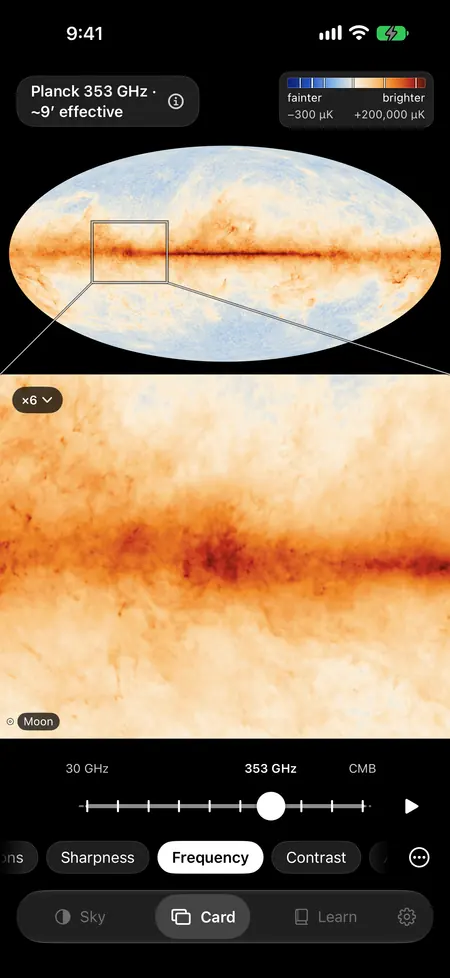
Two things closer to home change what we see. We move through the glow at about 370 km/s, so one half of the sky looks slightly warmer; the maps on this page have that taken out. Our own Galaxy also glows in microwaves, in a band across the middle of the sky, in front of the CMB. The CMB maps have most of it taken out.
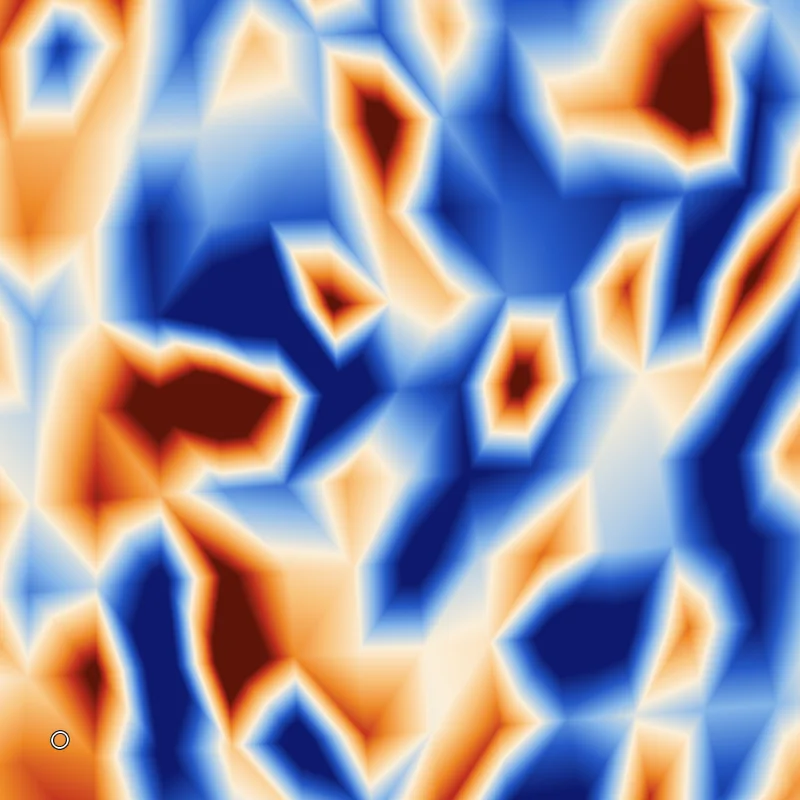
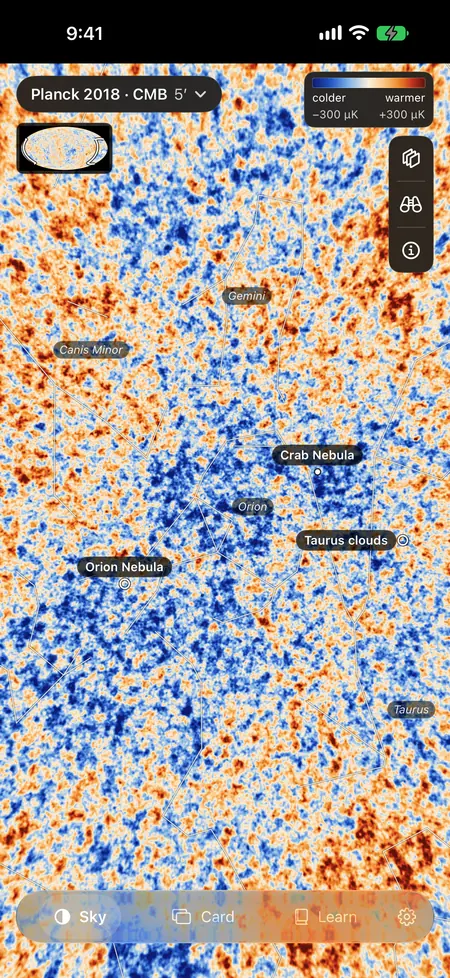
Our eyes cannot see microwaves, so every map here is in false colour, and its colour bar says what the colours mean. On the CMB maps each colour stands for a temperature difference from the average; on Planck’s single-band maps it stands for how bright that band is. A whole-sky map is the sky around you, every direction at once, flattened into an oval. The oval keeps areas true, so a patch covers the same space anywhere on it.